Samburu Versus Ol Pejeta Safari: Which Should You Choose?
If you are weighing a Samburu versus Ol Pejeta safari, you are deciding between two different versions of northern Kenya. Samburu delivers rare northern species, dry-country scenery, and cultural depth. Ol Pejeta delivers dependable rhino encounters, broader Big Five coverage, chimpanzees, and easier access from Nairobi. Both can fit into one itinerary. For detailed groundwork, see our Samburu safari guide and Ol Pejeta Conservancy guide.
Samburu Versus Ol Pejeta Safari: Which Is the Better Fit for You?
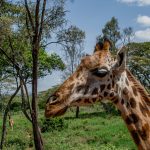
Choose Samburu for reticulated giraffe, Grevy’s zebra, gerenuk, Somali ostrich, Beisa oryx, rugged scenery, and a stronger sense of northern Kenya. Choose Ol Pejeta for dependable rhino sightings, broader Big Five coverage, chimpanzees, organized conservation activities, and easier access from Nairobi. Both work well in one itinerary.
The difference is not about one destination being wrong. It is about what you want to see and how you like to travel. Samburu rewards patience. Wildlife adapts to a dry, open landscape, and sightings can feel special because they are tied to the river. Ol Pejeta rewards structure. You know where to find key species, and the conservancy runs clear schedules for activities.
What Wildlife Will You See in Samburu Versus Ol Pejeta?
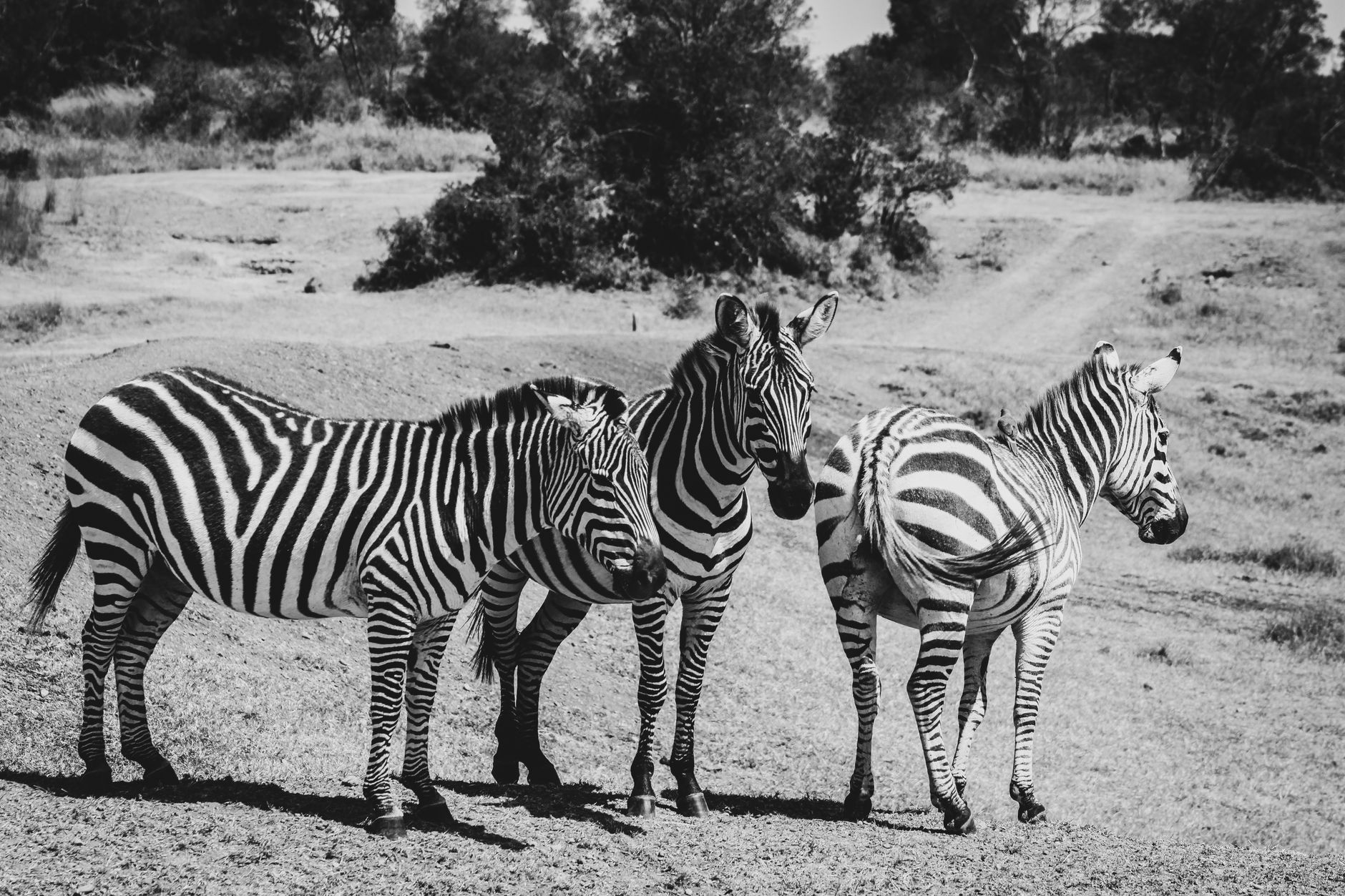
Samburu is the stronger wildlife choice for the northern Special Five. That means reticulated giraffe, Grevy’s zebra, gerenuk, Somali ostrich, and Beisa oryx. It also has elephants, lions, and leopards. Ol Pejeta is better for black and white rhinos. It includes the last two northern white rhinos and offers strong Big Five viewing and chimpanzees.
The Samburu Special Five are dry-country specialists. Reticulated giraffe use open bush, while Grevy’s zebra and gerenuk are built for sparser grazing. Beisa oryx move in herds across the plains. Ol Pejeta, by contrast, manages a protected rhino population. That makes black and white rhino sightings more reliable than in most Kenyan parks. The two northern white rhinos live under constant protection, which is a rare conservation sight. If you want to track how Ol Pejeta’s Big Five lineup compares nationally, see our guide to Big Five in Kenya.
How Do the Landscapes and Safari Atmosphere Compare?
Samburu feels hotter, drier, and more rugged. You see rocky hills, acacia scrub, and the Ewaso Ng’iro River shaping wildlife movement. Ol Pejeta has broader open plains and acacia woodland. Views toward Mount Kenya give it a quieter, more structured feel.
In Samburu, the Ewaso Ng’iro is the pulse of the park. In dry months, the river shrinks to pools. Elephants, lions, and plains game gather near the water, and you can often watch behavior that depends on access to shade and water. In Ol Pejeta, the landscape is more manicured, with ranch roads, fenced boundaries, and clear sightlines. That makes game viewing easier but less wild. Both landscapes photograph well, but they create different moods.
What Conservation Experiences and Activities Are on Offer?
Ol Pejeta offers the wider menu of structured activities. These include rhino tracking, conservation visits, the chimpanzee sanctuary, guided walks, cycling, and selected night drives. Samburu centers on day game drives. Walking and Samburu community visits depend on the camp or conservancy. Choose Ol Pejeta for hands-on conservation variety. Choose Samburu for wildlife and cultural immersion.
Ol Pejeta rhino conservation is the central attraction. You can track rhinos with rangers and learn about the teams that protect them. The chimpanzee sanctuary Kenya travelers often ask about was established for rescued chimpanzees from Central and East Africa. At Samburu, animal behavior and northern culture carry the trip. Some camps arrange walks or visits to Samburu villages. A stay in nearby Kalama, Westgate, or Namunyak can add walking and occasional night drives, though fees and availability vary. Our Kenya safari conservancy fees explain what to expect in those areas.
How Do Access and Itinerary Logistics Compare?
Ol Pejeta is usually the easier first stop from Nairobi. The drive to the Nanyuki area takes roughly three to four hours. Samburu generally requires about five to six hours by road, or a scheduled flight. The overland transfer between the two commonly takes around three to four hours. The total time depends on roads and stops.
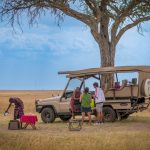
If you are short on time, Ol Pejeta is a practical first stop. You can leave Nairobi in the morning and arrive in time for an afternoon game drive. Samburu is farther north, so many travelers fly to one of the local airstrips. A combined road trip adds about three to four hours between the two regions. That is not an all-day drive, but it is long enough to plan a picnic or a stop for fuel. For itinerary decisions, the choice between a private guide versus group safari can change how flexible your road days feel.
What Is the Best Time to Visit Each Destination?
June to October and January to February are generally the easiest wildlife-viewing periods in both destinations. Thinner vegetation and limited water can improve sightings. In Samburu, dry conditions may concentrate animals around the river and remaining pools. Expect more heat and dust. Ol Pejeta stays attractive outside peak dry months, when landscapes are greener.
Samburu rewards a dry-season visit, but it can be tough. The conditions that push animals to the Ewaso Ng’iro also make days hot and dusty. Ol Pejeta is less extreme. The conservancy has water sources and a more moderate climate, so vegetation stays greener for longer. That makes it easier to enjoy outside the classic high season. For a northern Kenya safari, these two destinations follow a similar dry-season rhythm.
How Many Nights Do You Need in Samburu or Ol Pejeta?
Allow at least two nights in Ol Pejeta and two to three nights in Samburu. Two nights can deliver a useful first look at either destination. Three nights in Samburu gives more time to search for specialized northern species and observe changing river behavior. A combined trip works best with four to six nights.
Ol Pejeta’s key sights can be covered in two full days. A first day can focus on rhinos, and a second can add chimpanzees, walking, or night drives. Samburu needs more time because animals are spread across a bigger landscape. Three nights let you explore different river sections and return to the same wildlife at different hours. Families often find Ol Pejeta easier because activities are short and well scheduled. Samburu’s longer drives may suit older children and wildlife enthusiasts.
Planning snapshot
Use these ranges as a starting point. Roads, camp locations, and seasons change the exact numbers.
| Factor | Samburu | Ol Pejeta |
|---|---|---|
| Signature wildlife | Samburu Special Five, elephants, lions, leopards | Black and white rhinos, Big Five, chimpanzees |
| Best for | Rare northern species and dry-country atmosphere | Rhino conservation, structured activities, easier access |
| Road time from Nairobi | Roughly 5 to 6 hours, or scheduled flight | Roughly 3 to 4 hours |
| Suggested minimum nights | 2 to 3 | 2 |
| Peak wildlife viewing windows | June to October, January to February | June to October, January to February, plus greener months |
Can You Combine Samburu and Ol Pejeta on One Itinerary?
Yes, Samburu and Ol Pejeta combine naturally on a four to six night northern Kenya safari. Spend two nights at Ol Pejeta for rhinos and conservation activities. Then allow two or three nights in Samburu for the northern Special Five, elephants, predators, and dry-country scenery. Use a road transfer or connect by scheduled flight where available.
A common route starts in Ol Pejeta. After two nights, drive north to Samburu. The transfer takes about three to four hours and can be broken with a stop in Nanyuki. Many Samburu lodges sit near the reserve, but a longer stay can extend into neighboring Kalama, Westgate, and Namunyak. Those areas add walking and occasionally night drives. If you want a shorter road connection, consider adding a scheduled flight between the two regions. For a comparison with another rhino destination, read our Lake Nakuru versus Ol Pejeta piece.
What Questions Do Travelers Ask About Samburu and Ol Pejeta?
Is Samburu or Ol Pejeta better for safari?
Samburu is better for rare northern species, dramatic dry landscapes, and cultural depth. Ol Pejeta is better for rhinos, broad Big Five viewing, chimpanzees, conservation activities, and easier access from Nairobi. The best choice depends on whether unique species or conservation variety matters more.
Which is better for seeing rhinos, Samburu or Ol Pejeta?
Ol Pejeta is the better destination for rhinos. It protects substantial black and white rhino populations and is home to the world’s last two northern white rhinos. Samburu is known for northern specialty species rather than reliable rhino sightings.
Can you combine Samburu and Ol Pejeta on one safari?
Yes. A four to six night itinerary can include two nights at Ol Pejeta followed by two or three nights in Samburu. That combines rhino conservation and Big Five viewing with northern specialty species and dry-country scenery.
How far is Ol Pejeta from Samburu?
The drive from Ol Pejeta in the Nanyuki area to Samburu commonly takes about three to four hours. The exact time depends on the route, road conditions, and stops. The journey can be incorporated into a longer overland safari itinerary.
What is the best time to visit Samburu and Ol Pejeta?
June to October and January to February are usually the most reliable periods for wildlife viewing in both destinations. Samburu can be especially rewarding in dry weather because animals concentrate near limited water. Ol Pejeta remains appealing during greener months as well.
Where Can You Compare Safari Operators and Browse Packages?
Now you can match the right destination to your wildlife priorities. To compare safari operators, browse packages from FindMySafari or Valley Safaris. Look for an itinerary that lines up with the nights, seasons, and activities that matter most to you. You can also check current listings at touringinsights.com.
Where Can You Find More Safari Planning Resources?
- Samburu map and Special Five from SafariPure
- Map of Samburu from Valley Safaris
- Samburu destination guide on FindMySafari